

Baby Wipes
Great for cleaning the inside of the puppy’s ears. They are simple to use, do a wonderful job of cleaning out wax and debris, and smell nice. These are also great for “spot cleaning” your puppy’s coat in between baths.
“Everyday” Treats
I recommend using:
- Any of the dog food rolls that do not contain peas/lentils – it can be cut into cubes and easily handled.
- Veggies – Canned, no added salt, carrots, or green beans. These are easy and not messy to handle, good for the puppy, and easy to store. Get one can of veggies, drain, and place in Tupperware container. Will save for approximately 3-5 days in the refrigerator.
- Boiled meats such as chicken, beef, or pork.
Training Treats
- Full Moon Human Grade Savory Bites (Link)
- Purina ONE Dog Training Treats (Link)
- True Instinct Bites With Farm-Raised Chicken (Link)
- Purina – Puppy Chow – Training Treats – Salmon
- Low sodium canned carrots (“No Salt Added”)
- Low sodium canned green beans (“No Salt Added”)
Supplements
It is a requirement of the Health Guarantee that your puppy be kept on an immune boosting supplement at least until he/she is eight months of age. The supplement I require is NuVet Plus.
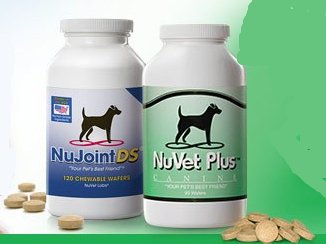
- There is a great deal of information concerning NuVet on the web. Some say it is “snake oil” others say it cannot “fix” some of the issues that the company claims that it can. Here is the reality: This is an immune booster, it is just like a vitamin for dogs. It is not going to cure cancer, fix major health issues, or make your dog a champion show pup. However, I have seen it help my own pups, momma dogs, and adult dogs when they were recovering from a treatment, needed boosted immunity due to vaccines or pregnancy, or during seasonal changes that can promote ear infections and hot spots.
Now is the best time to order the supplements that your puppy needs to be kept on. I DO recommend that you keep them on their immune supplement throughout their lives as all it will do is benefit them. To order NuVet, you will need a code to purchase their product as it allows the company to notify me that you have placed an order and are in compliance with the guarantee requirements.
Ordering Information:
Order the NuVet Plus supplements directly from the manufacturer by calling 800-474-7044 or online at https://www.nuvetlabs.com/order_new2/nuvet-plus-wafers.asp
use Order Code: 326960. You can also save an additional 15% and assure you never run out of NuVet by choosing the “Auto Ship” option at check out.
Other Recommended Supplements
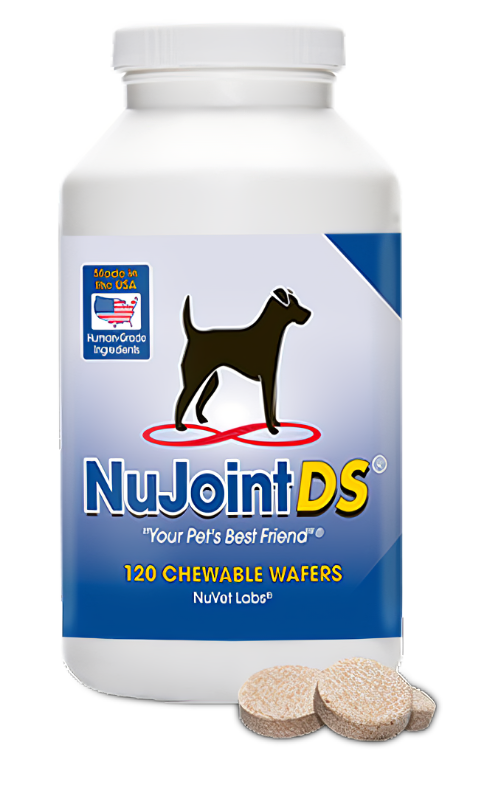
NuJoint: The other supplement that I recommend through NuVet is the NuJoint which is a supplement that supports your pups/dogs’ joints throughout their lives. An ounce of prevention is worth a pound of cure. The NuJoint tablets can be ordered here https://www.nuvetlabs.com/order_new2/nujoint-plus.asp using the same code as above 326960.
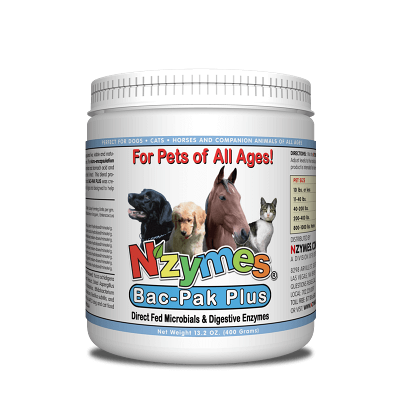
Probiotics: I also recommend that your pup be on a pre/probiotic. This can help with digestion, gas, regularity, etc. There are many different brands out there, the one that I currently recommend is: Nzymes BacPak Plus.
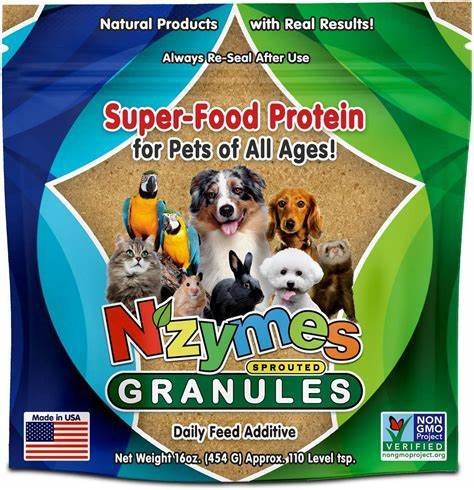
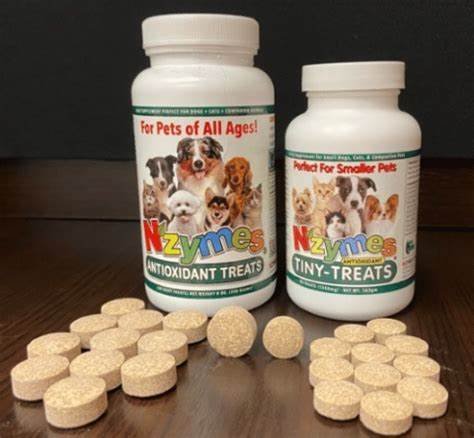
Nzymes Granules or Antioxidant Treats: When commercial dog food is made, there are multiple “natural” benefits that are processed out of the food that actually work at the cellular level. This provides those nutrients.
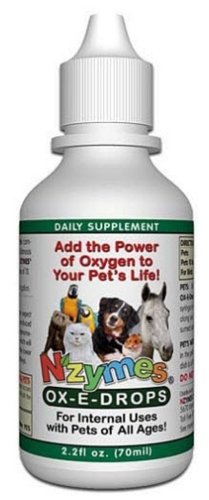
Ox-E Drops: Helps with immunity and PH balance within the puppy/dog’s system.
If you would like to order Nzyme products, click here for a discount offer.
Plant Based DHA: New studies in canine oncology show that if your puppy/dog is on a daily regimen of plant-based DHA that it can ward off certain cancers and/or reduce the spread of the disease. Unfortunately, this breed is known for cancer. I have not yet had a golden with cancer, but I want to do all I can to try to ward it off. I know for sure that this supplement cannot hurt them. The studies originated in humans and then was transferred to canine research. However, it is important that it is pure plant-based DHA. Fish oil or other Omega 3 oils will not suffice. You will give one to two capsules daily depending on which product you choose. The dosage will not change as the dog ages unless otherwise advised by a veterinarian.
Some of my dogs will take these pills like they are candy. Others, I have to put the pill in a spoonful of soft food to get them to take it easily. Another option is to open the capsule and put the liquid on the pup’s food. The veterinary suggestion is a minimum of 300mg daily. Here are a few options:
- Doctors Best (2 Daily)
- Flora DHA (1 Daily)
- Nordic Naturals (2 Daily)
Bathing
- Baby shampoo is your best bet for your puppy. It is hypoallergenic, tear-free, and soft on the skin. They also make tearless puppy shampoos that you can use.
- If your puppy gets fleas, you can wash him/her in dawn dish soap. Thoroughly wet down puppy, lather puppy body, neck, and legs with Dawn, allow the puppy to sit all lathered up for 2 min, thoroughly rinse. Re-wash puppy with baby shampoo. Do not use toxic OTC flea preventions, flea collars, washes, or dips on your puppy/dog…EVER!
- If your puppy is itchy, you can use head and shoulders. Do not get this in the puppy’s eyes.
Brushes
To brush your puppy and adult dog, there are a few wonderful brushes to have on hand.
- Groomer’s Comb – This is great to have so you can make sure you have gotten all of the mats out of the coat. It will find mats that other brushes may miss. Be considerate if you use this to remove a mat that is dense. It can hurt and you do not want your puppy to start hating being brushed.
- Furminator Rake – This is perfect for general brushing and getting down to the undercoat.
- Furminator Small – This should only be used when trying remove large and/or significant mats (like those that will form behind the ears). This should only be used for this reason because this type of furminator actually cuts the coat.
- Soft Slicker – This is great for brushing the top coat. Do not press down too hard as you can scrape the skin. However, normal pressure is comfortable for the animal and can be enjoyable.
Toys
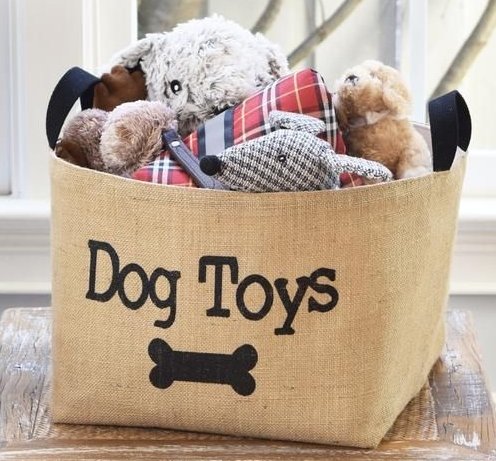
Toys are not only for having fun with your new puppy but are vital learning tools. There are many, many toys out there for puppies and dogs. Make sure the toys you buy are made for dogs, are nontoxic and age/size appropriate. Be sure to remove small toys as your puppy grows, a small ball used in the first three months can easily be caught in the throat of a larger puppy/dog.
If you find your puppy is destroying toys, you will have to limit those toys to supervised play only. Many dogs will not only destroy toys, but ingest them. This is dangerous as it can cause an intestinal blockage that will cause great pain and possible death if not treated surgically.
Fun vs. Dangerous
There are three toys that I recommend that all puppies have: a tennis ball, a non-rawhide chewy, and a stuffed animal (without plastic eyes/nose). Squeaky toys are other puppy-favorites. When giving your puppy a ball, be sure that it has a textured surface, like that of a tennis ball, so that it cannot slip down the throat. Do NOT use a smooth rubber ball (like a racquet ball), as they become slippery when covered in dog slobber and dogs have been known to choke on them. Do not give your puppy rope toys as they tend to chew on the strings at the end and can cause blockage.
Leash
I will provide your puppy with a new collar, but he/she will need a leash.
I have a favorite leash that I recommend for all my training clients. You can choose to purchase this leash or not, it is up to you. However, I wanted to make you aware of it. It is a leather tensions spring leash. I carry them at my business, or you can look for them online.
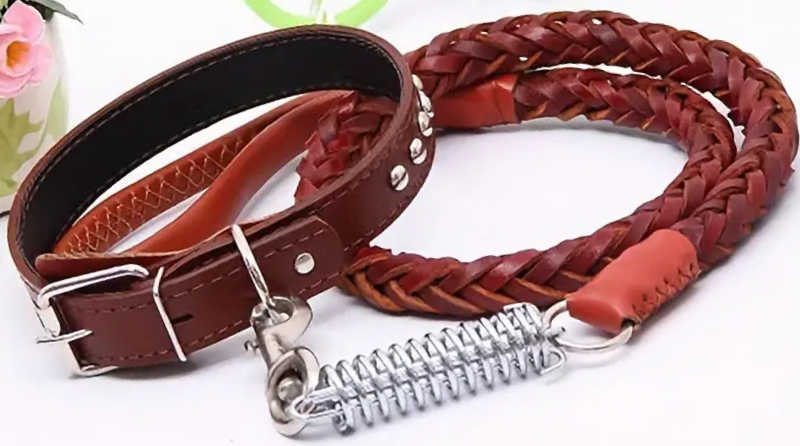
There is also a leash like this that has a rope-like texture instead of the leather. They do not last as long, but they are lighter and cheaper. Link
If you want to train your pup to stay with you or want to be able to go into another room without having to put the puppy up or pick him/her up so you can keep an eye on him/her, the leash below is what I recommend using. This also works well if you want to take your puppy on a walk and you have a young child to keep track of OR if you are a jogger, this works well once your dog is old enough to jog with you (10+ months of age). You will connect the leash around your waist to always keep the pup with you. Link
Harnesses
I do not recommend using a harness for anything other than car travel. Using a harness promotes pulling. When you pick out a harness, make sure that it is crash tested. You will also need a sturdy seatbelt.
Puppy Beds
For your new puppy’s bed, we recommend the elevated bed. This is for three reasons. 1. It elevates your puppy and supports them without extra pressure on joints. 2. It keeps the pup/dog cooler than the fabric beds. 3. They are harder to destroy and there is much less mess in the case of a bedding disaster.
Crate
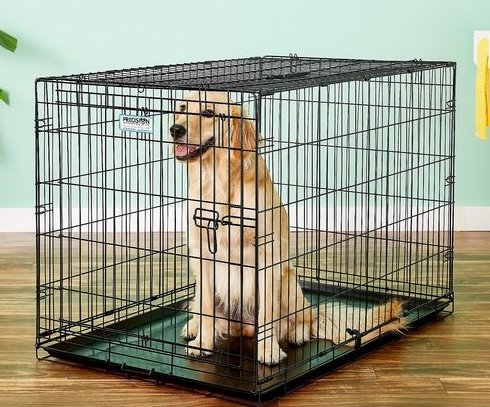
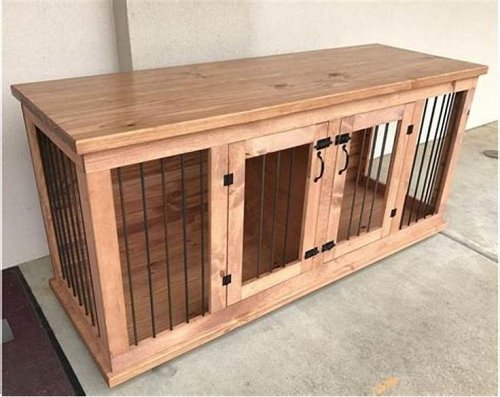
If you have decided to crate your puppy, you need to make sure you provide them with an extra-large (or larger) crate.
Bowls
Do not feed your puppy/dog from an elevated feeder. Recent studies have shown that these feeders increase the chance of bloat. Here are a few the bowls that I recommend.
- LARGE non-skid, non-spill:
- MEDIUM non-skid
- Gravity Waterer OR Splashless Waterer
Snuggle Puppy
There are many of my puppy parents that have purchased this puppy soother and swore by it when it comes to the tough transition between being with a bunch of littermates to being alone in a new home. It is not a guarantee, but others have found it to be beneficial. This is just meant to be a helpful note. It is completely up to you whether you want to invest in this product.
Designated Puppy Area
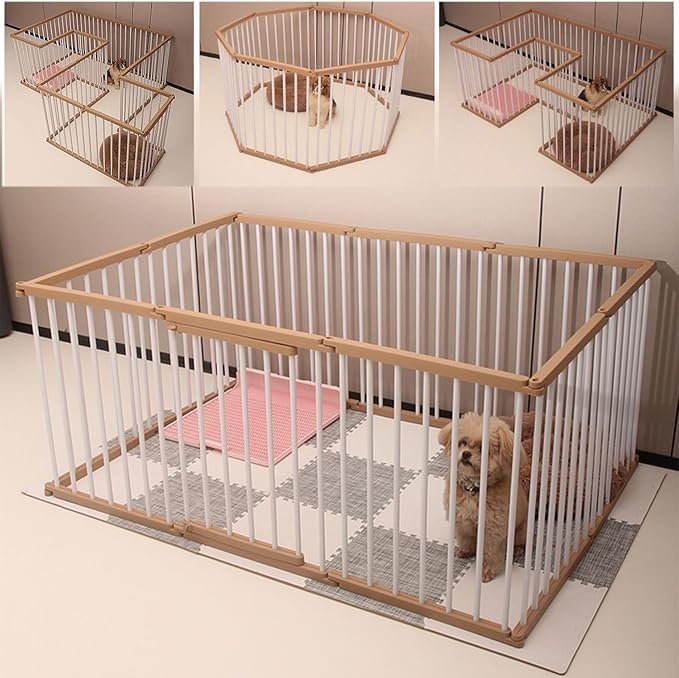
A crate, small indoor play area, or a completely puppy safe room is essential.
If you choose a crate – Get a wire crate with a plastic bottom. The soft-side crates will not work for large puppies and the plastic crates can get hot if you do not place it in a well-ventilated, cool room. Wire crates are the easiest to clean and provide the most airflow. You will need to purchase the “extra-large” crate.
If you choose an indoor play area – “Play yards” come in wire, wood, or plastic. All will work. However, you need to have an easy to clean area where you can place the play yard. Since it does not have a floor, it cannot be placed on the carpet without something to protect your carpeting.
If you choose a puppy safe room – this room needs to have all outlets closed, no wires or electrical cords near the floor, no cabinets on the floor (unless they can be sectioned off), no trash cans, no open toilets, and no low hanging curtains. A puppy can and will do damage to him/herself or these items if given enough time.
The puppy area is essential to house training and to the overall care of your puppy. This is where you will put the puppy when he/she is in “timeout,” when he/she sleeps at night, and it can serve as a “safe space” that ONLY belongs to your puppy. It will serve as a refuge when your puppy is overloaded, needs to rest, or becomes scared. In turn, make sure you give the puppy constant access to their safe place by leaving doors open, separating one segment of the pen, or taking down baby gates.
Have you read the Health and Vaccine notes yet? Please do so.